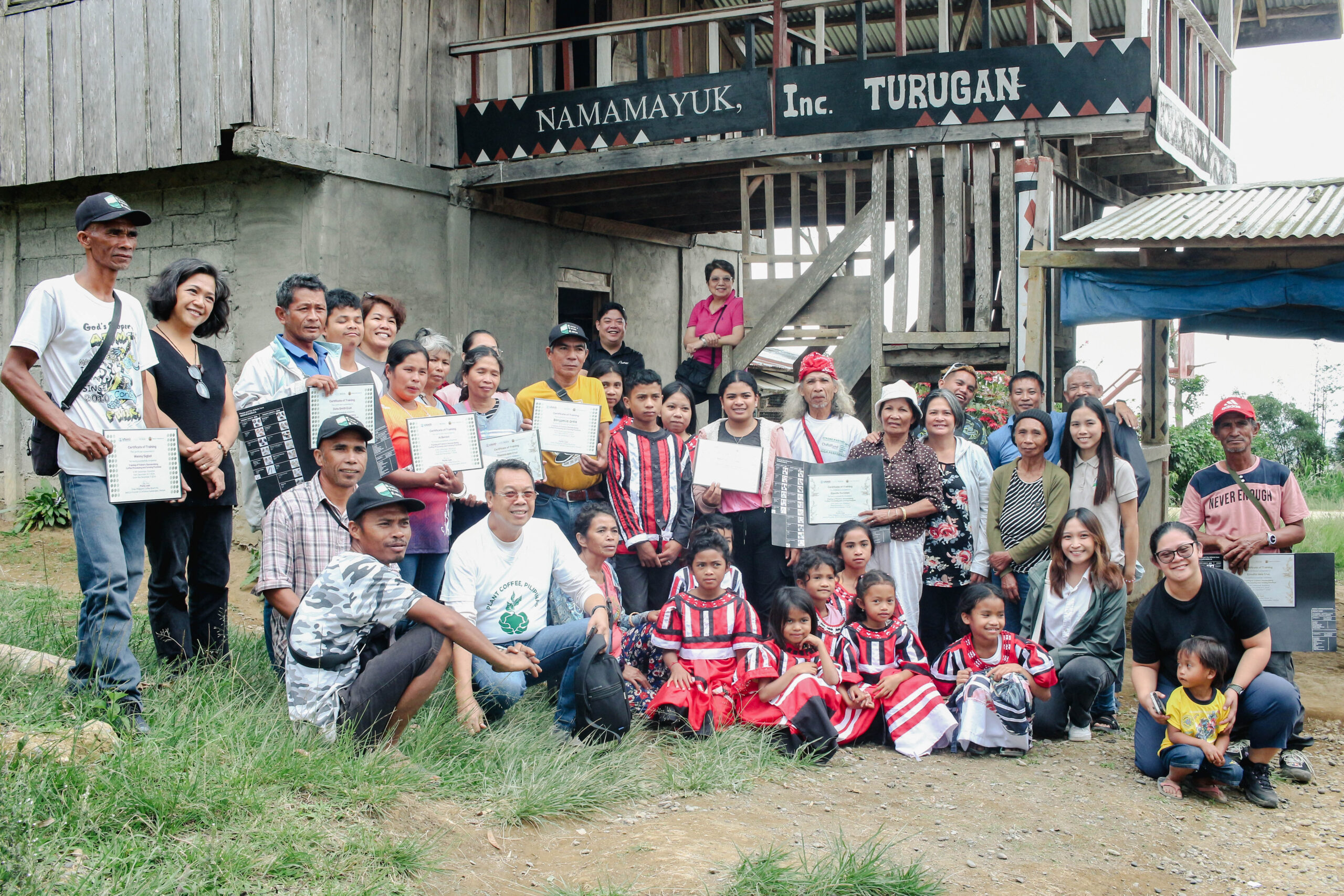
Coffee growing in the Philippines has declined over the last three decades, threatening the source of income of around 300,000 Filipinos. Urbanization, land use conversions, and land tenure issues have modified the landscape of local coffee regions, especially mountain areas like Bukidnon in northern Mindanao. (Chaves, In the Hands of Indigenous Peoples: The Future of Upland Coffee Regions, 2012).
Many of the upland coffee areas are, in fact, also ancestral domains. For many of the upland farmers, among them Indigenous farmers, agriculture has failed to improve their way of life. As a result, many of the farmers have opted to cultivate cash crops with more frequent harvest times or have abandoned farming altogether for more lucrative occupations in the city or abroad. An aging population of smallholder farmers claim that even if they want to plant coffee, they still lack access to affordable and quality planting materials, among other issues. Empowering Indigenous coffee growers will not only have a positive impact on the coffee industry but also on the communities themselves (Chaves, 2012).
The Government Plan
The national government implements policies and initiatives to boost coffee production and improve the quality of locally produced coffee.
● Under the Department of Environment and Natural Resources’ greening program, 86,000 hectares of land were allotted for planting coffee from 2016-2028.
● The Department of Agriculture (DA) distributes coffee seedlings for free to farming associations and cooperatives—the country needs to plant five million coffee trees yearly to boost supply (DA, PhilStar, 2024)—and offers seed propagation and nursery accreditation to ensure the availability of good planting materials. Coffee is a priority commodity under the DA-High Value Crops Development Program (HVCDP).
● The Department of Trade and Industry is focusing on the development, branding, marketing, and promotion of Philippine coffee, particularly specialty coffee (Philippine Coffee Industry Roadmap 2021-2025).
In addition, private sector stakeholders, through the Philippine Coffee Board, Inc., (PCBI) are also involved in promoting the adoption of good agricultural practices and access to credit, through partnerships, to coffee farmers. The group also maintains demonstration farms and provides learning courses/workshops for coffee farmers and entrepreneurs on coffee production, processing, and marketing.
A Golden Opportunity: Highland Coffee Originating from Bukidnon
The coffee-producing Indigenous groups of Bukidnon have an opportunity to improve the quality and yield of their coffee farms and participate in a revitalized industry. The province’s mountainous areas are suitable for farming premium-quality arabica coffee, which requires cool, elevated areas around 1,000 meters above sea level (masl) or higher with consistent, moderate annual rainfall.
Indigenous communities, the original forest stewards, usually apply traditional cultivation and pest control farming methods, following organic farming principles (Chaves, 2012). With government support, coffee growers have evolved from monocrop, small backyard family farms to form cooperatives and associations that can access common post-harvest facilities and scale up their production. They are poised to produce quality highland coffee, properly labeled according to geographic origin, and the Indigenous community that produced it.
The Project
The Xavier Science Foundation, Inc. (XSFI) aims to strengthen biodiversity conservation among stakeholders in and around Mount Kalatungan Range Natural Park. The mountain range, which is home to various endemic species, including the critically endangered Philippine eagle and Rafflesia flower, is threatened by often abusive and unsustainable human activities. Supporting sustainable livelihood options for the Indigenous cultural communities (ICCs) residing in the mountain range strengthen their capacity to protect their ancestral land.
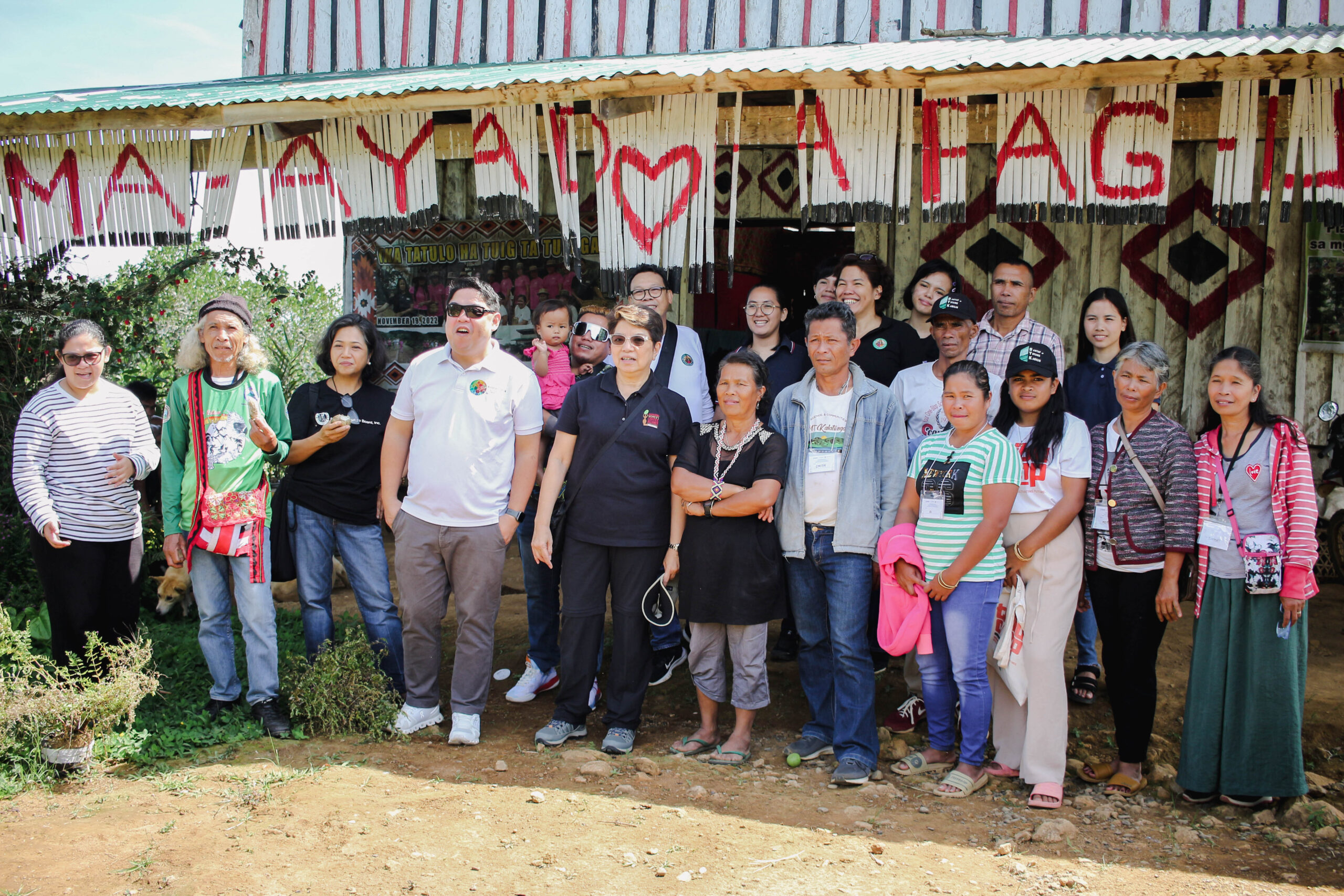
XSFI has partnered with the Indigenous coffee farmers of Kalatungan to promote more sustainable farming practices, building on an existing coffee farming tradition. They encourage the organized coffee farmers to practice intercropping by planting coffee alongside vegetable or creeper plants, and to integrate agroforestry by planting coffee next to endemic tree species.
These methods are advantageous to the environment, creating a more diverse habitat to help regulate microclimate and optimize conditions for plant growth. By supporting a wider range of plant and animal life, the coffee farm promotes pollination, natural pest control, and overall ecosystem health. Intercropping and agroforestry also improve soil quality by preventing erosion and promoting a balance of minerals found in the soil, while also enhancing nutrient availability. This approach also has economic benefits: crop diversification reduces the reliance of the farmers on a coffee monocrop, providing them with additional sources of income. Practicing composting on top of natural pest control reduces the need for fertilizers and pesticides and lowers production costs even further.
With support from USAID, the Indigenous Peoples Organizations (IPOs) from Mt. Kalatungan further deepened their knowledge of sustainable coffee production through a focused training-of-trainers initiative, organized by the INSPIRE Project, XSFI, and the Philippine Coffee Board, Inc. (PCBI). Lecture sessions were held in Valencia City combined with practical sessions in the upland communities of Pangantucan, Bukidnon.
Identifying Gaps in the Supply Chain
In its third year, INSPIRE engaged a consultant to assess challenges and opportunities for strengthening business and supply chain practices among grantee-supported livelihood activities. In Bukidnon, the assessment focused on the coffee production processes of XSFI partner communities, where findings identified challenges in the consistency of processing methods, quality control issues, and limited markets for their products. Limited technical knowledge and varied agricultural practices have also affected the quality of their green coffee beans.
To address these gaps, INSPIRE tapped the PCBI to bring in experts and conduct a training of trainers on coffee farming and marketing. The training brought together certified Q-graders (licensed professionals regarded as “sommeliers of coffee”) and expert trainers led by PCBI President Pacita “Chit” U. Juan, and 12 coffee farmers, including tribal elders, women and youth, from three partner Indigenous Peoples Organizations (IPOs) of XSFI—the Nagkahiusang Manobong Manununod sa Yutang Kabilin, Inc. (NAMAMAYUK), Catal Lumad Development Association, Inc. (CALUDA), and Manggayahay Talaandig Tribal Association, Inc.
(MANTALA)—to build a core group of mentors who can guide their communities in farm management and organic coffee production.
The participating IPO leaders, among them two male chieftains (Datu), are natural mentors and exert the most influence in their communities. Traditionally, however, women have also been heavily involved in coffee production, from weeding and caring for the coffee plants, to hand-picking the coffee cherries and laying them out to dry, then pounding out the beans and roasting the green beans, and finally, selling the coffee to traders. It is the women who insist on using technology that does not harm their indigenous culture and the environment. (Chaves, 2012). The older participants had the stock knowledge and well-regarded as experts by their tribe. With a graying farming population, however, it was also important for the youth to be included in the program, as peer influencers and future mentors.
From Roots to Canopy: Enhancing Farming Practices

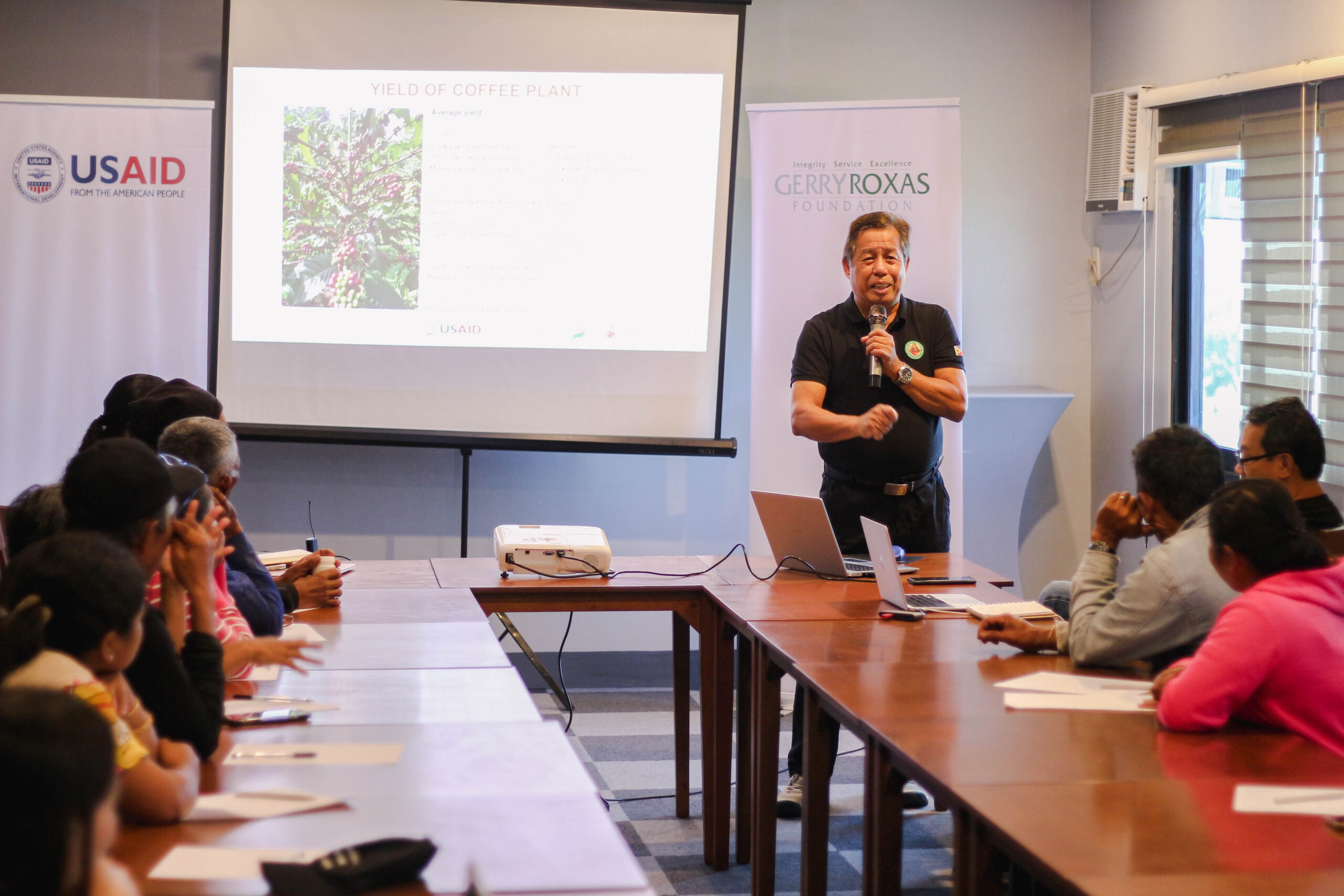
Dr. Alejandro “Andy” Mojica, an agriculturist by profession and PCBI founding director, taught the participants the basics of coffee farming, farm maintenance, and nursery establishment. As part of the exercise, each participant needed to illustrate the layout of their farms, including details on elevation, spacing, and crop varieties, to provide a baseline assessment of their current conditions. The exercise revealed that most participants were cultivating robusta coffee varieties in high elevation areas, zones suitable for arabica varieties with higher profits and market value (in this area, robusta is valued at an average of ₱200-250/kilo, compared to arabica which can fetch ₱500-600/kilo or higher). Farmers explained that they only depended on the available seedlings distributed in previous project interventions.
Dr. Mojica suggested a gradual conversion to more appropriate, high-yielding arabica. He emphasized that the yield potential of coffee trees is heavily affected by plant genetics, advising farmers to establish nurseries using seeds or cuttings from productive trees, and to consider grafting or replacing low-yielding plants after harvest. In addition, he also introduced community participants to single-stem pruning to shape the plant’s canopy, allowing sunlight and air to penetrate evenly, improving productivity, trunk resilience, and plant health.
Dr. Mojica also explained the root system of coffee plants, emphasizing that fertilizers should be applied in small dug-out holes or shallow pits just beneath the outer edge of the plant’s canopy rather than directly at the base of the trunk. This placement helps maximize nutrient absorption and minimizes surface runoff during watering or rainfall.
Meanwhile, farm owners and entrepreneurs Jose “Jo” Mamar and Ma. Olivia “Olive” Puentespina introduced participants to organic farming, explaining its benefits and offering practical guidance on how it can be adopted using locally available materials. They conducted demonstrations on composting, biofertilizer application, and pruning techniques to boost coffee yield and improve overall plant health. During the farm visits, the experts also took the opportunity to check the processing areas, and assess samples of green coffee beans, suggesting areas for improvement.
In a hands-on workshop, Ms. Puentespina guided farmers in producing compost from livestock and farm waste. “Ang tanan nga buhi pwede gamiton nga pataba sa yuta,” [Translation: All organic matter can be used as fertilizer for the soil] she said. Farmers also learned to interplant crops like peanuts and potatoes, and adopt madre de cacao (Gliricidia sepium) trees for natural pest control and soil nourishment. She also presented a sample of a bio-waste fertilizer produced by her company, the Davao Thermo Biotech Corporation, and handed out samples to the IPO members so they can start their own compost.
The organic approach struck a chord with the participants. Thereza dela Cruz from CALUDA expressed her plans to convert her farm entirely to organic and establish a nursery of high-yielding coffee varieties to supply other members with seedlings. Joel Escano, an experienced lead coffee trainer from MANTALA, is committed to using biofertilizers and applying single-stem pruning in their one-hectare expansion, to demonstrate its benefits to other members. For youth leader, Jonald Elorde, the training sparked interest: “When I return home, I want to start my farm fresh and organic. I want to inspire other youth to do the same.”
A Taste of Their Own: Discovering Quality
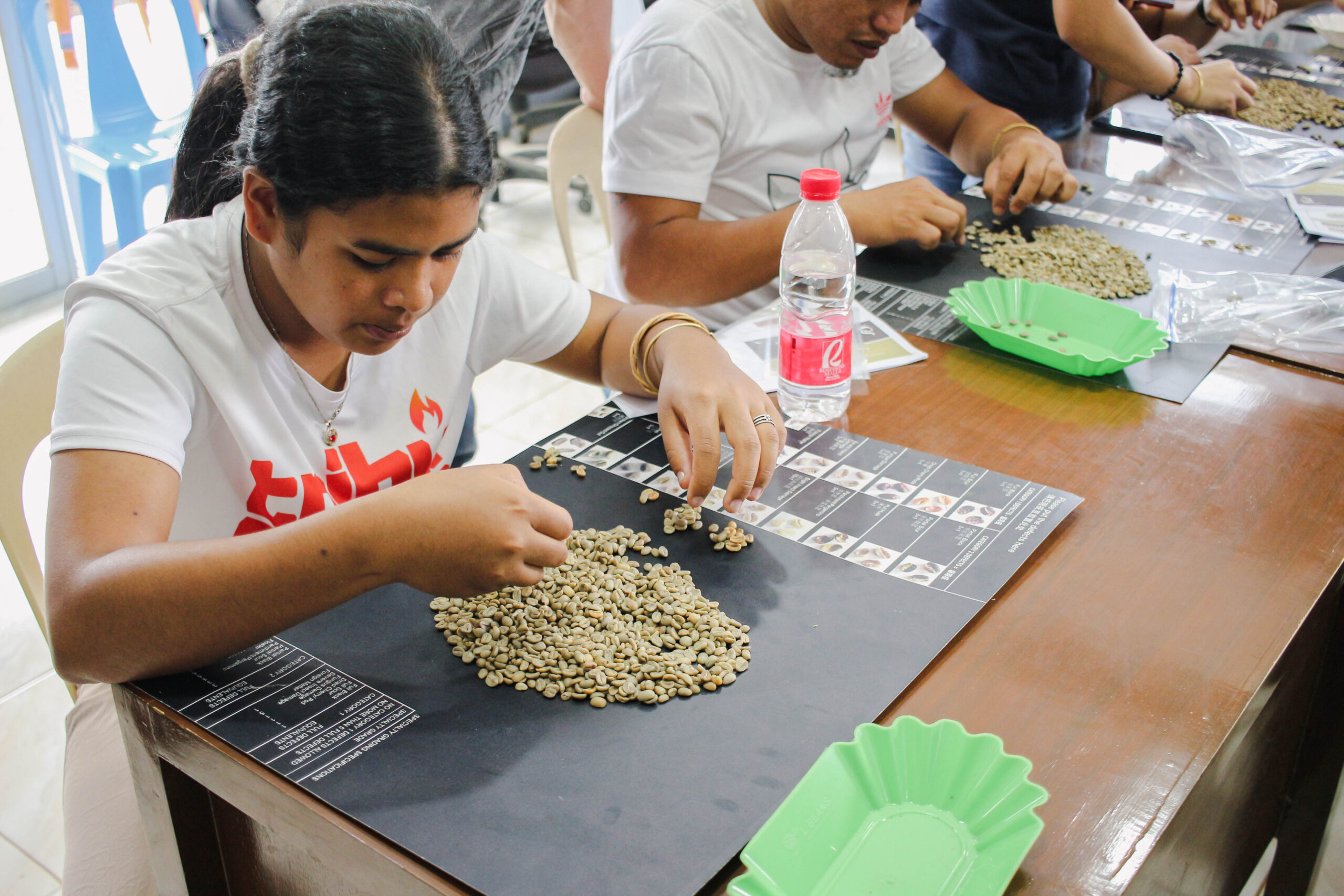
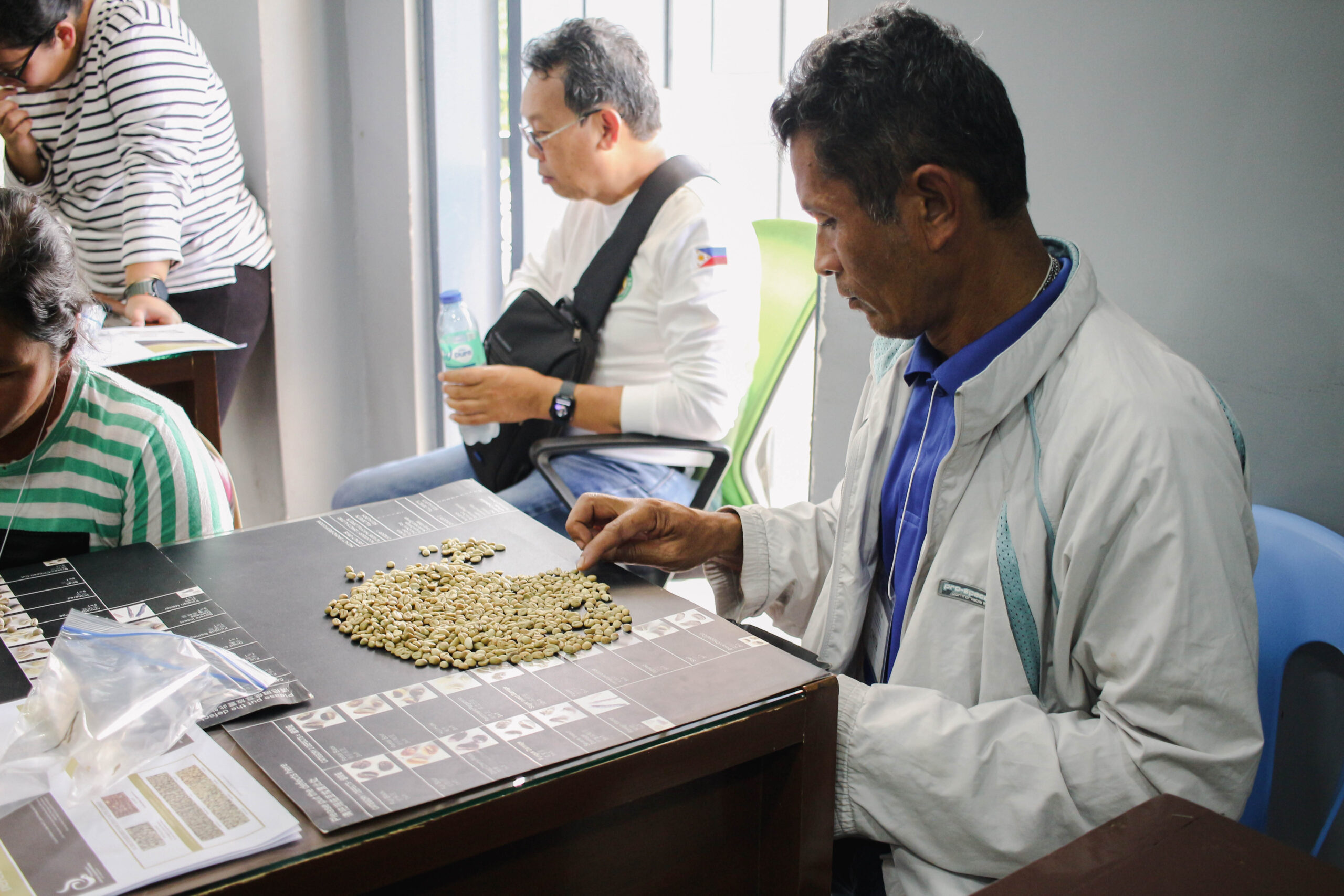
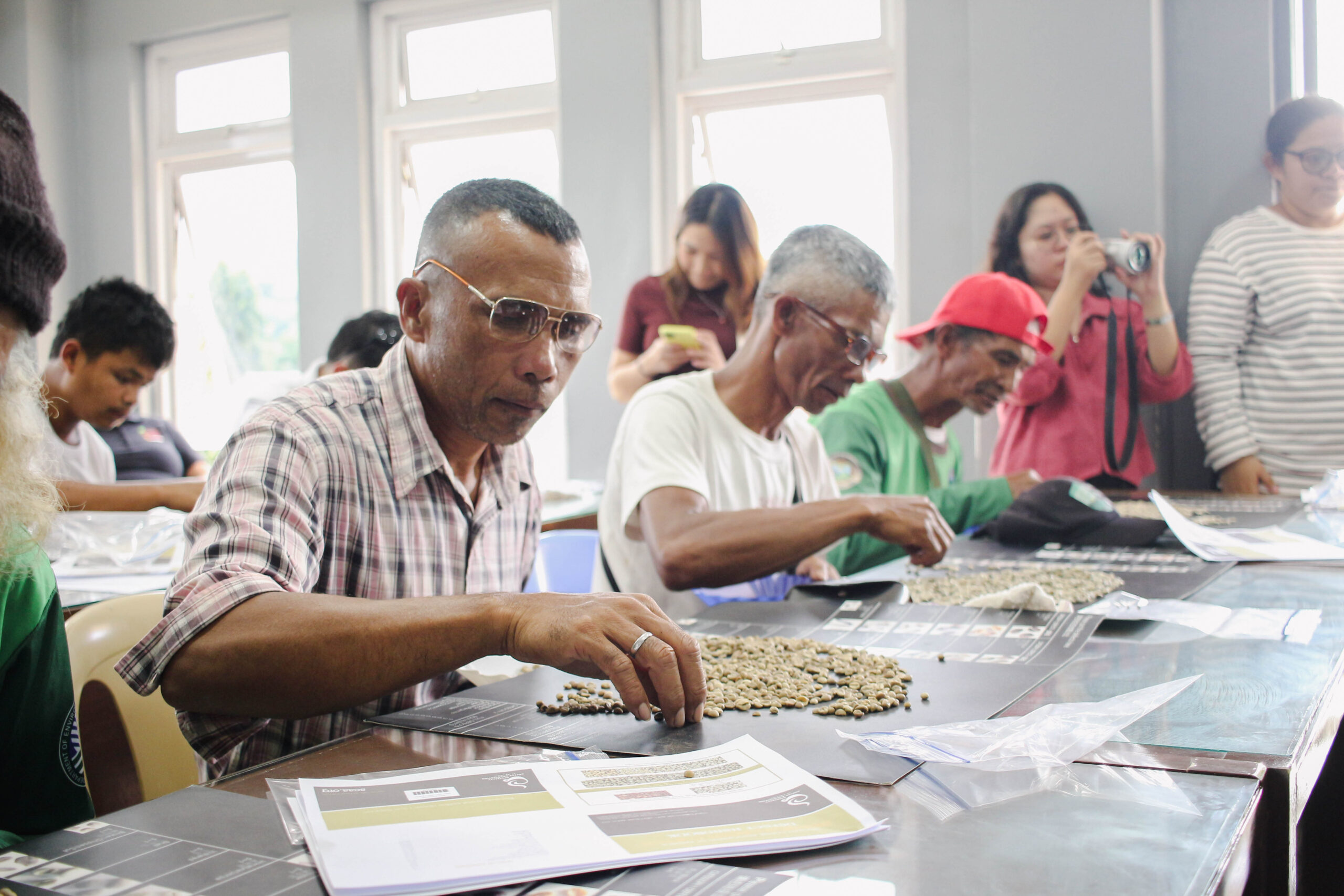


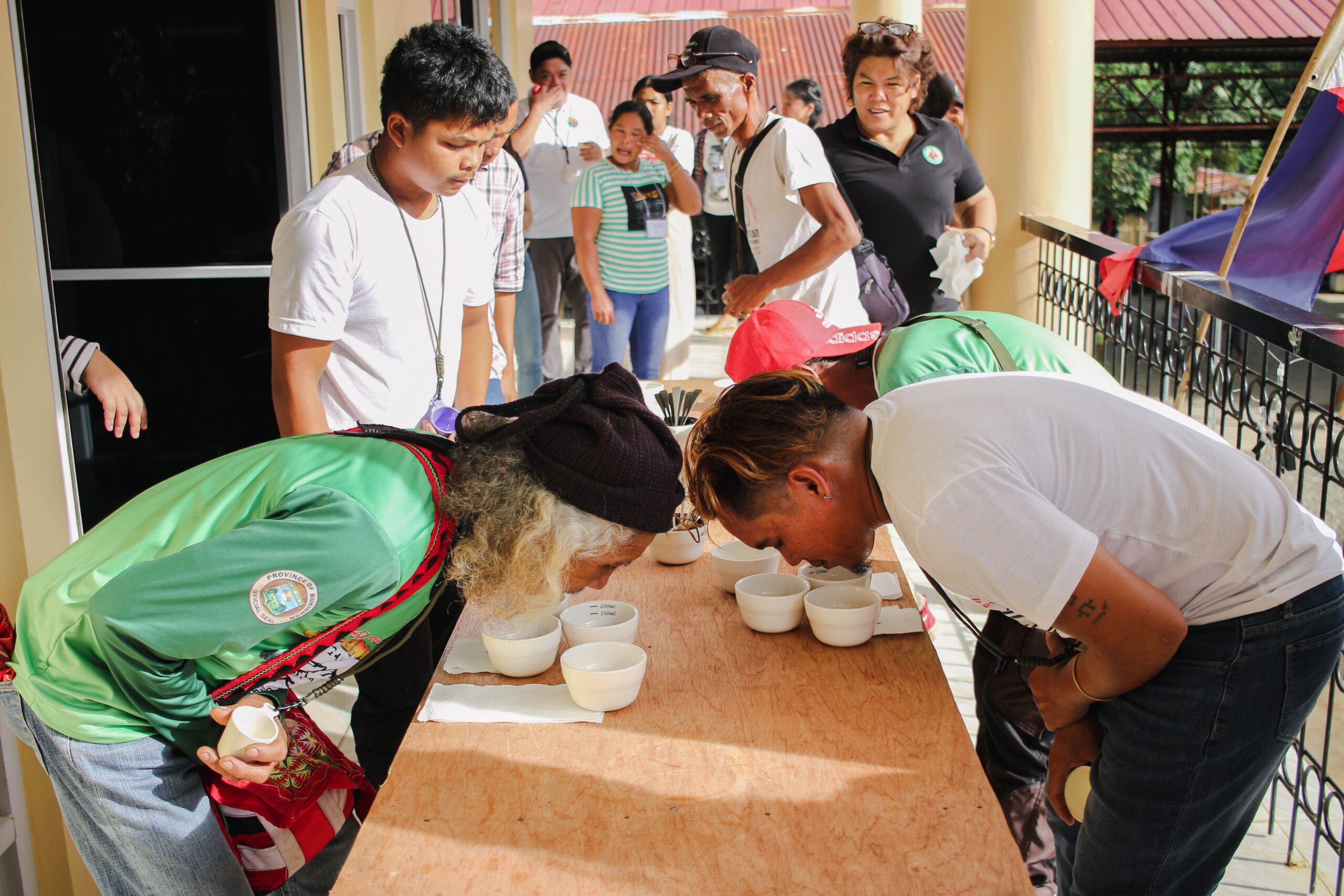
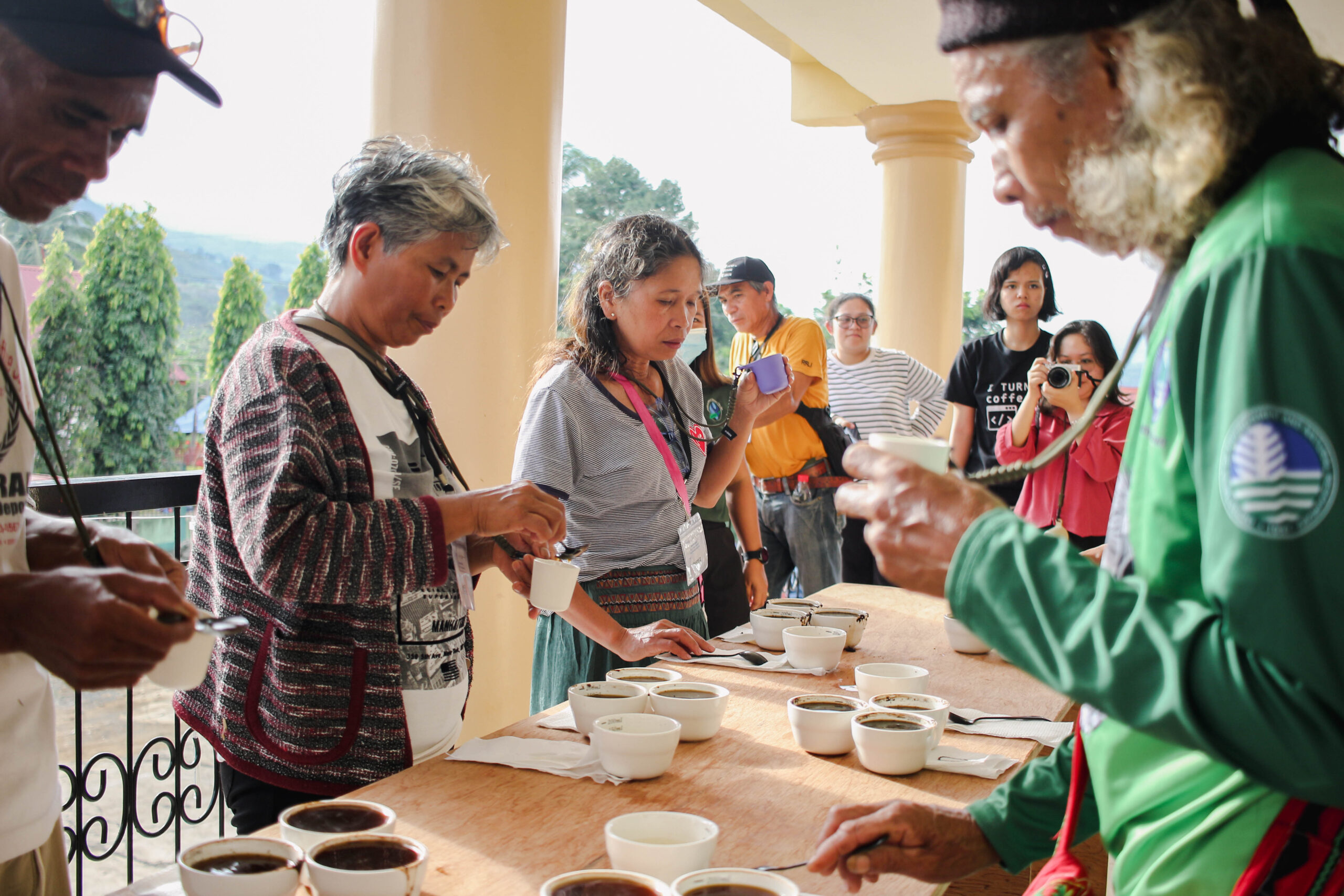
For most participants, the training’s most eye-opening moment came during the cupping session facilitated by certified Q graders Anatista Perez and Karen Arado. They evaluated coffee from the IPO farms, including a selected batch of green beans from MANTALA, based on flavor, aroma, and bean quality. Ms. Arado observed that while some beans appeared ripe, many of the participants’ coffee was not shade-grown, overexposing the beans to sunlight, which affects bean quality and leads to uneven flavor development.
The trainers guided participants through a bean-sorting activity, where they practiced identifying and separating defective or “reject” beans from quality ones, including high-quality beans known as peaberries. Ms. Perez complimented Joel Escano from MANTALA on his sorting technique and shared that she is willing to buy similarly sorted beans for ₱600 per kilo (or ₱100 pesos higher than the local market rate) for quality-sorted arabica green beans.
To illustrate how proper post-harvest techniques impact flavor, participants engaged in a blind cupping session, where their local product was compared alongside specialty-grade samples brought by the trainers. Using small cups, they were tasked to differentiate each brew based on flavor and aroma. They were also tasked to identify which was most appealing and which among the samples was theirs. PCBI trainers included a brew made from rejected or defective beans, which was noticeably bitter and unpleasant, while high-quality samples exhibited fruity notes and a clean finish.
Ms. Arado also shared her assessment of MANTALA’s coffee, noting that their coffee showed strong potential, comparing favorably with high-quality variants, but still exhibited a slight earthy aftertaste. She explained that this was likely due to incomplete drying after harvest and that optimized drying times would help enhance flavor clarity and elevate their coffee products closer to specialty-grade coffee.
“We never knew our coffee had this much potential,” said Datu Smith Ecat, an elder from MANTALA. “Before, we just dried and sold it. Now we know what buyers are looking for—and how to get there.”
After the session, PCBI handed over green bean sorting guides to each IPO for properly sorting coffee beans.
From Mountain to Market: Sharing the IP Coffee Story
To add further value to the training, PCBI President and social entrepreneur Chit Juan spoke about maximizing the appeal of coffee through branding and marketing, focusing on how Indigenous peoples’ organizations (IPOs) can position their products more effectively in the market. She underscored the importance of storytelling rooted in the IPOs’ deep cultural ties with their land and their commitment to conserve Mt. Kalatungan. These characteristics, she explained, can differentiate their coffee in competitive markets with consumers who value social impact and sustainability.
Ma. Juan also discussed the importance of traceability in building consumer trust, sharing that today’s buyers prefer to know where their coffee comes from and the conditions under which it is produced. To illustrate these insights, she introduced ECHOstore, her own retail venture that showcases community-based products in highly urbanized markets. She explained how the platform links rural communities with city-based consumers, allowing access to higher-value and niche markets. She also emphasized that products under the ECHOstore brand must not only consistently meet quality standards but also align with the values of environmentally conscious customers. She shared that effective messaging requires presenting coffee not just as a superior product, but with the true story of how it benefits the communities behind it.
Project Impact
Previous agricultural programs have contributed to the widespread use of chemical fertilizer in Bukidnon. Increased agricultural investments in Mt. Kalatungan, such as banana and pineapple plantations, have also led to practices with detrimental impacts—clearing of large tracts of land to make way for plantations, and using pesticides and chemical fertilizers has contributed to soil degradation and pollution of ground and surface water.
XSFI’s introduction of organic farming methods will reduce production costs. The intercropping and agroforestry approach in sustainable coffee production reduces destructive farming practices and allows farmers to gain higher and more sustainable profits while contributing to environmental health.
The livelihood assessment and succeeding training of trainers opened up the three IPO groups to possible improvements that can still be made to enhance the quality of coffee production and processing, from seed to cup. They received practical insights on fine-tuning their methods and increasing marketability: for example, gradually switching to higher-value arabica variants that are more suited to the elevation, pruning the plants to an easy height to maximize production, and selling quality-sorted green beans that will fetch a higher price on the market. They gained confidence in the earning potential of their coffee beans. They also saw the value of properly roasting their own coffee to fully appreciate its taste.
Lessons and Ways Forward
Supporting community-based livelihood interventions requires more than just training or short-term support—it involves a deeper understanding of how to make products more profitable and market-ready. To sustain momentum, strategic planning is needed to ensure that short-term grant achievements translate into longer-term enterprise development. Effective livelihood design must integrate not only production support but also institutional development and market systems thinking. This includes strengthening the enabling environment for value addition, improving access to capital, and building the capacities of communities in areas such as financial management, quality assurance, and business acumen to support long-term enterprise growth.
Engaging the private sector plays a key role, not simply for funding or market access, but for the technical expertise and the networks they bring in, making community partners understand actual market demands. In this initiative, the PCBI and its member-partners provided practical guidance on farming and post-harvest practices. In January 2025, PCBI awarded MANTALA with moisture meters and refractometers to properly determine ripeness for harvesting and the optimal drying time for the coffee to develop flavor, dryness, and sugar content of harvested coffee beans. PCBI also planned to expand its partnership with GCash to distribute madre de cacao seedlings to interested farmers for intercropping and shade management, to enhance yield value and rehabilitate deforested areas.
Building on the achievements of the project, the IPOs may consider looking into extending the partnership with PCBI, who are not only engaged in research and training, but also certification and credit programs through their partners. They can pursue LGU Valencia’s pledge to support a processing facility, with DOST slated to contribute coffee processing equipment, for the benefit of MANTALA.
The 12 trainers who benefited from the program may conduct practice demo sessions to pass on their newfound knowledge to the other IPO members, particularly other women and youth leaders; the IPOs themselves may also consider arranging additional training to build upon their members’ skills. The women of the IPOs have been actively engaged in the creation of their own sustainable livelihood activities, and can contribute greatly to the enhancement of the coffee training. When promoting and marketing their coffee, through barista competitions, bazaars, and trade exhibits, the IPOs should lean hard on their coffee farm’s origin story and the continued evolution of their coffee.